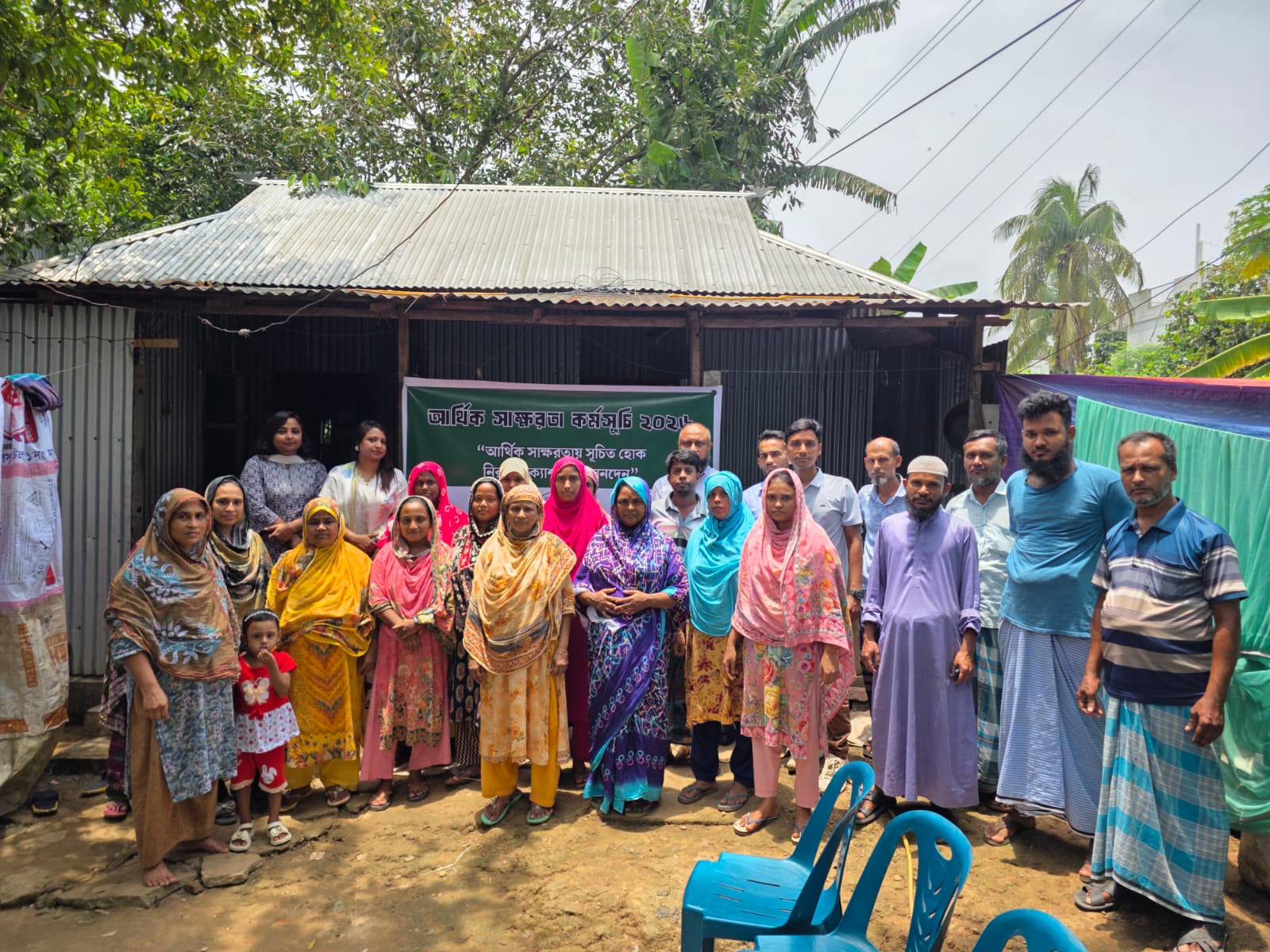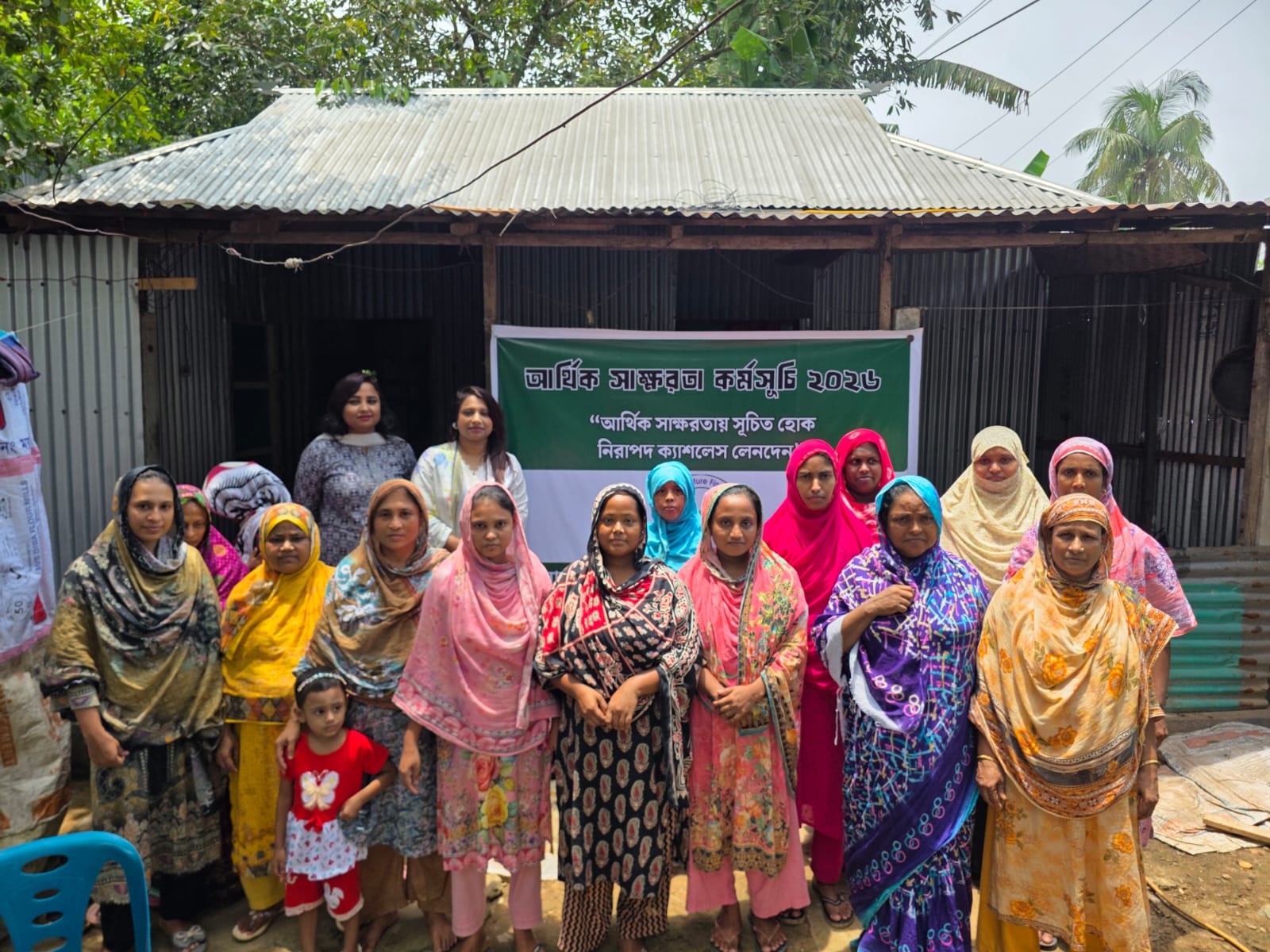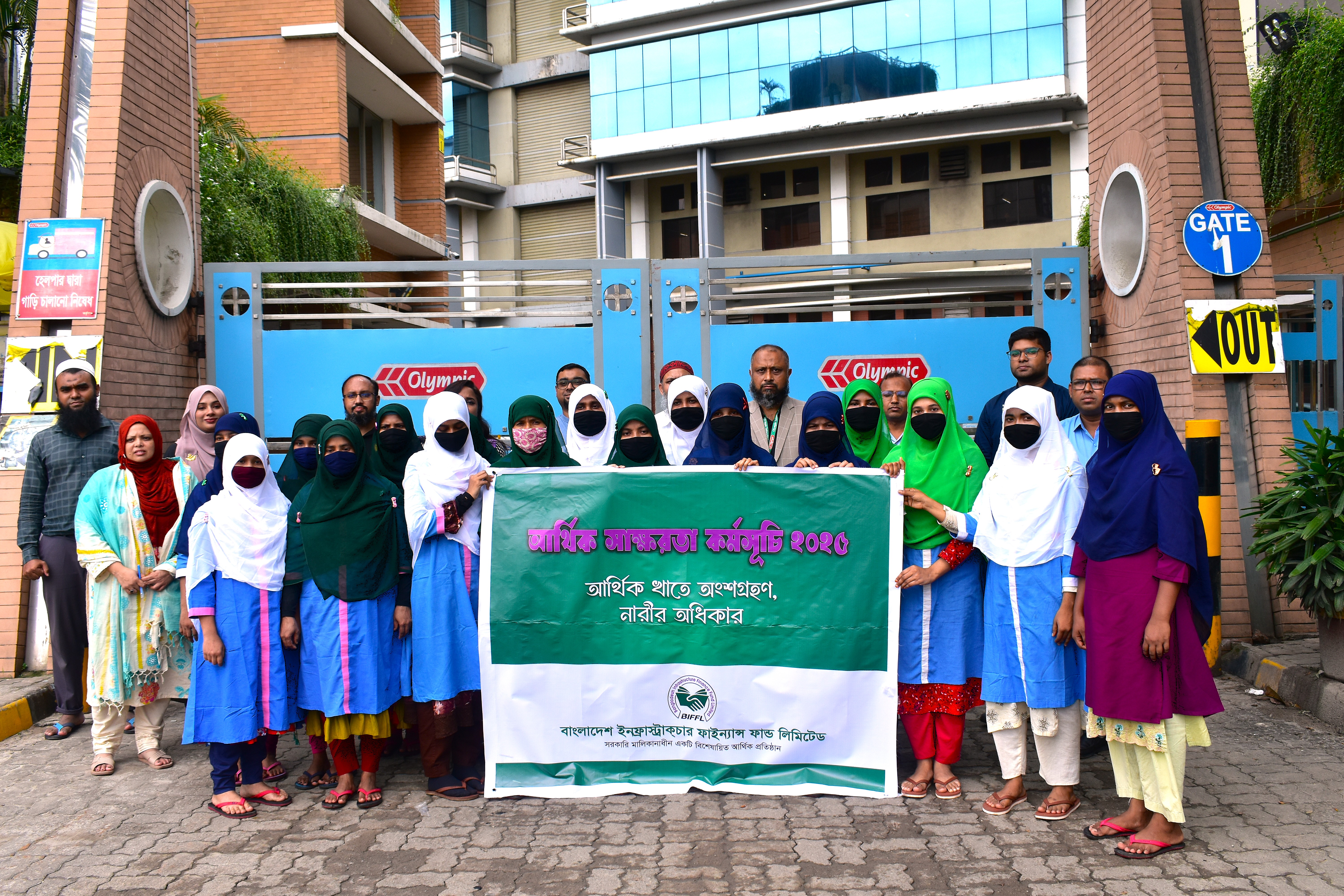

In accordance with Clause 5.4.1.3 of the Financial Literacy Guidelines for Banks and Financial Institutions issued by Bangladesh Bank and the instructions contained in the referenced letter, the Financial Literacy Wing of Bangladesh Infrastructure Finance Fund Limited (BIFFL) undertook various awareness-building initiatives during the first half of 2026 (January–June) to enhance financial literacy among customers and encourage the use of safe and modern financial services. These initiatives were implemented under the theme “Safe Cashless Transactions Begin with Financial Literacy.”
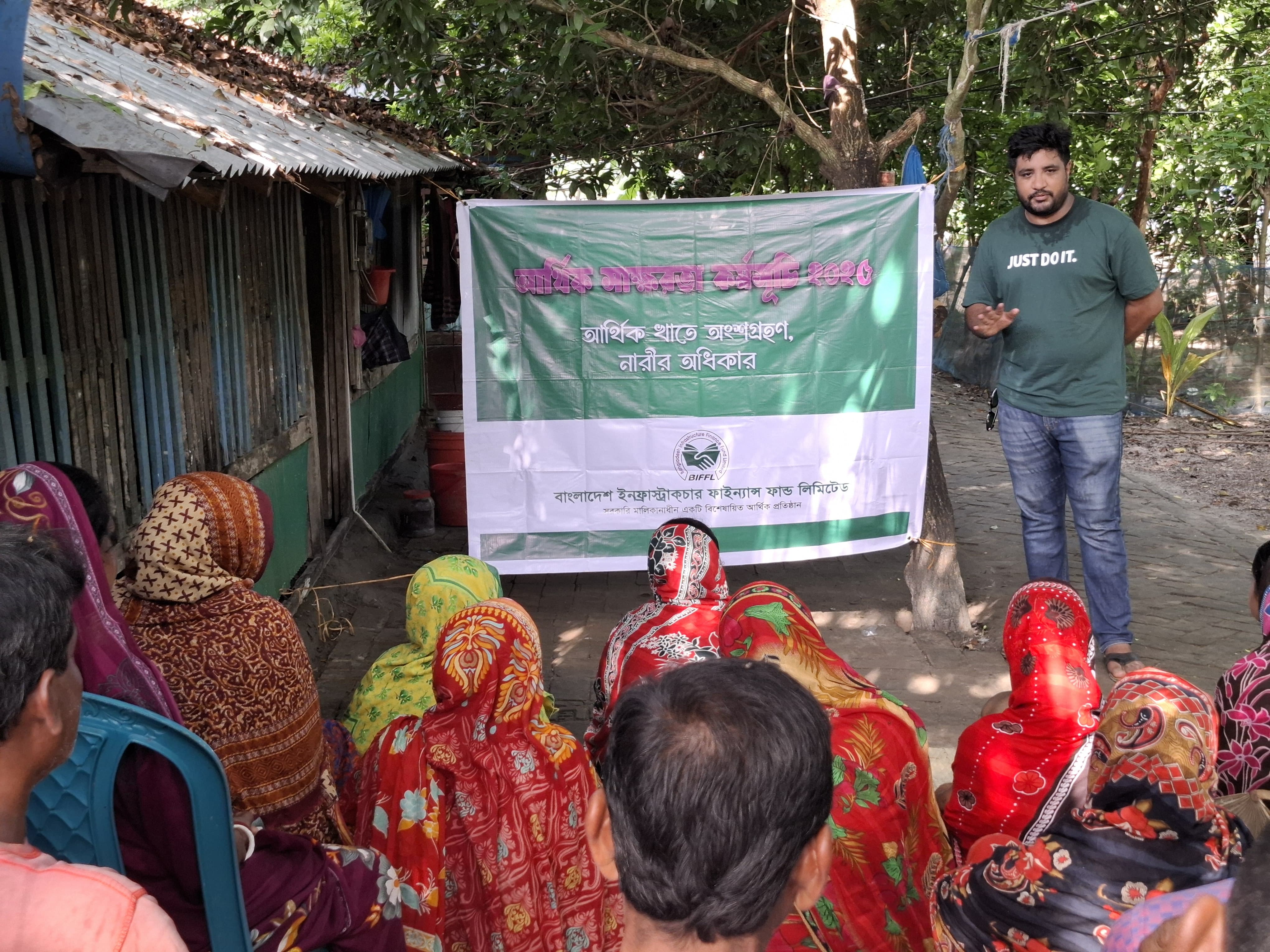
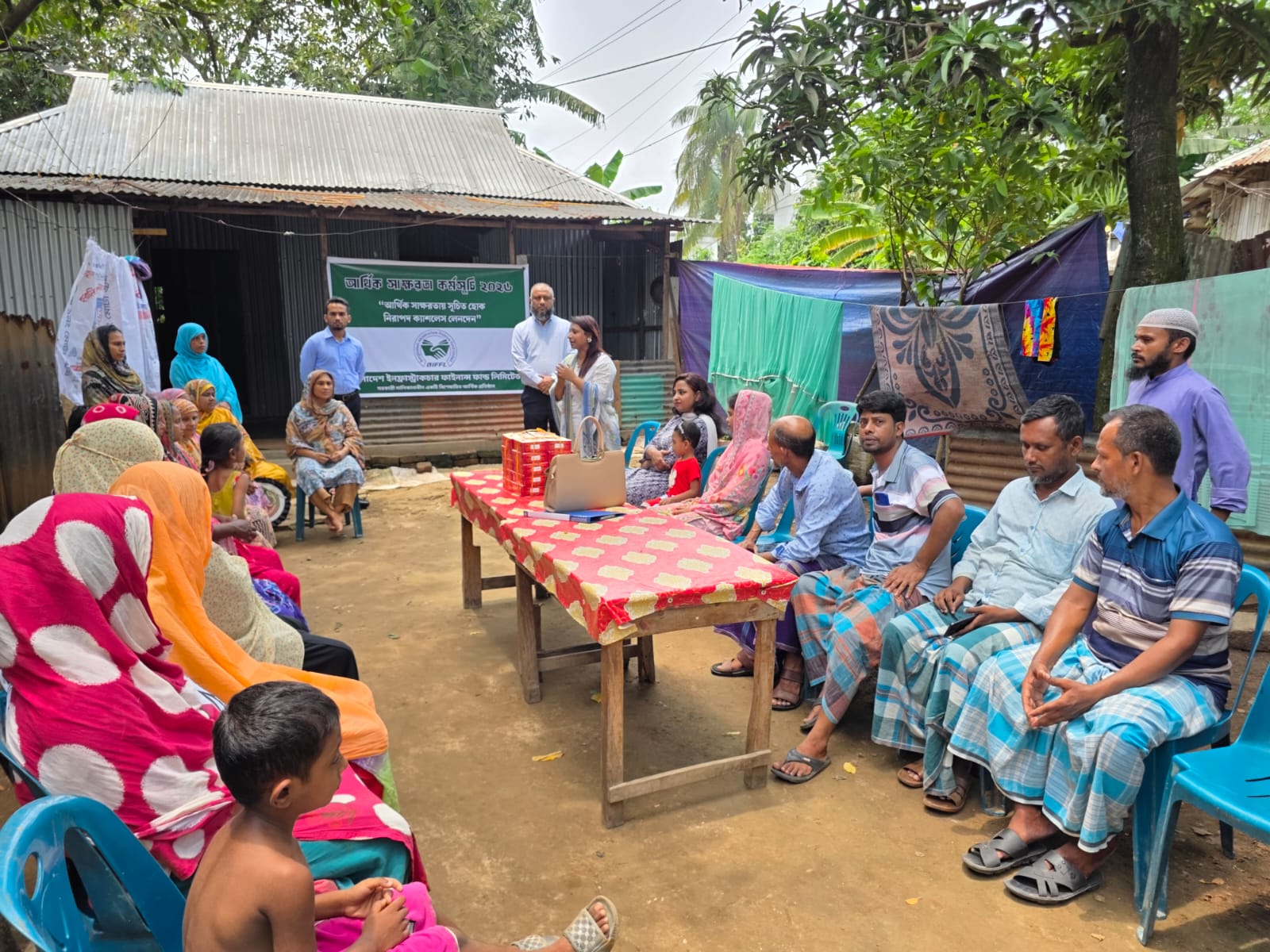
As part of these initiatives, a financial literacy awareness session was organized at the workplace of women entrepreneurs and workers engaged in the Jamdani saree industry in Murapara, Rupganj Upazila, Narayanganj District. A total of 36 participants, including 21 women, attended the program. The session focused on financial planning, developing saving habits, increasing the use of formal financial services, the benefits of digital financial transactions, and various aspects of safe cashless transactions.
The discussion also highlighted the significant role of women in Bangladesh’s economic development and emphasized the importance of their active participation in achieving sustainable economic growth. It was noted that a considerable number of women still remain outside the formal financial system, limiting their access to various financial opportunities and services. Participants were provided with practical guidance on managing bank accounts, the safe use of digital payment platforms, the benefits of mobile and internet banking, measures to protect themselves from online financial fraud, and the importance of safeguarding personal financial information.
Furthermore, the session emphasized the importance of ensuring women's financial inclusion to promote economic empowerment, entrepreneurship development, and greater participation in the Small and Medium Enterprise (SME) sector. It was also illustrated that the increasing participation of women in banking, investment, entrepreneurship, and digital financial services is making a positive contribution to the country's overall economic development. In addition, participants were informed about various financial facilities and services currently available through both government and private sector institutions.
The program is considered to have successfully enhanced participants’ awareness of safe, transparent, and technology-driven financial transactions, strengthened their confidence in the formal financial system, and encouraged the adoption of cashless transactions.